
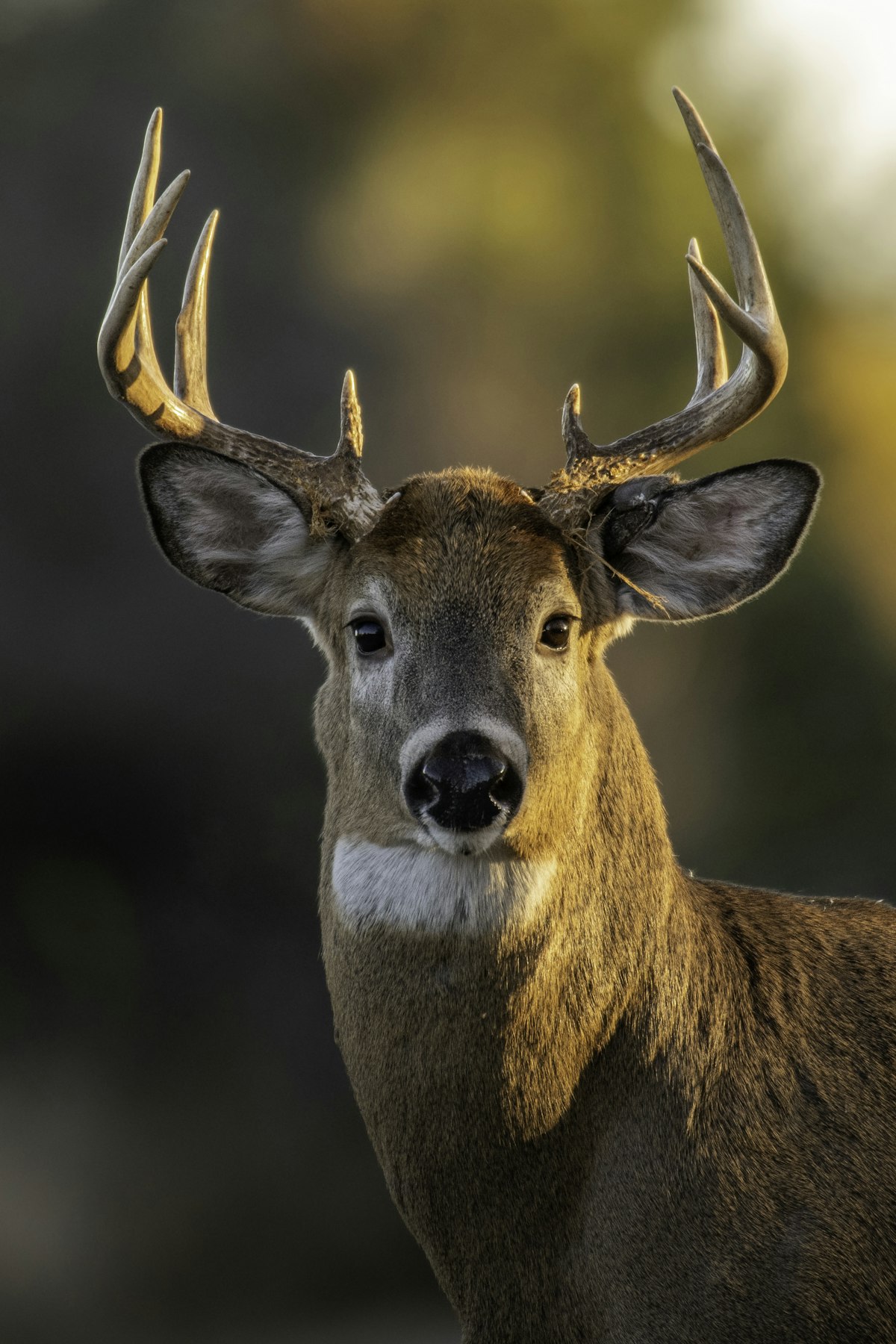
Theodore Roosevelt gave us the phrase “bully pulpit,” but he handed the country something larger too: a conservation ethic rooted in his own life as a hunter and outdoorsman. Roosevelt believed time in the wild built character, and that the patient, ethical pursuit of game deepened a person’s respect for it. Few small things carry that patient tradition forward like a tool the modern woodsman still slips into a pocket: the wood grunt call.
What a Grunt Call Does
A grunt call imitates the short, guttural vocalizations whitetail deer make to one another. In the right moment it can pull a curious or rutting buck off his line and bring him within range, or simply stop him for a heartbeat. It is not magic and it is not loud. Used with restraint, it is a way of speaking the woods’ own language rather than shouting over it.
Why Wood
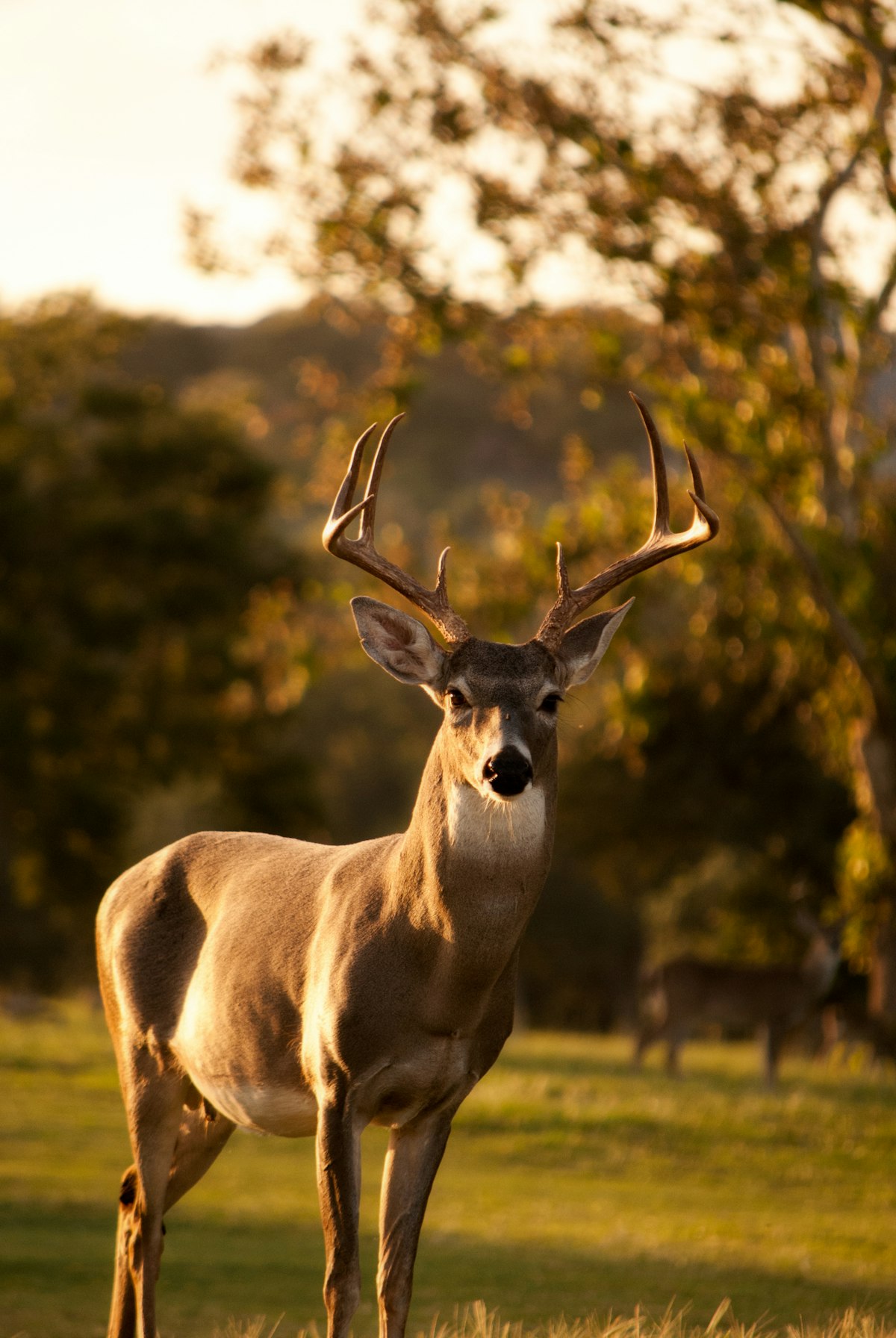
Plenty of calls are molded from plastic, but many hunters keep coming back to wood for its warmer, more natural resonance. A well-turned barrel softens and rounds the tone in a way that sounds convincingly like the real thing. A quality wood grunt call is also simply a pleasure to own and carry — the kind of honest, handmade gear Roosevelt himself would have appreciated.

Watch: How and When to Use a Grunt Call — Sean’s Outdoor Adventures (YouTube)
Reading the Woods
Timing matters more than volume. The pre-rut and rut are prime, when bucks are moving and listening. Start with soft contact grunts, and save the deeper, more aggressive tending grunts for a buck you can see but cannot reach. The most common beginner mistake is calling too often; a few well-placed grunts and a lot of patience will almost always beat a constant racket.
A Patient Pursuit
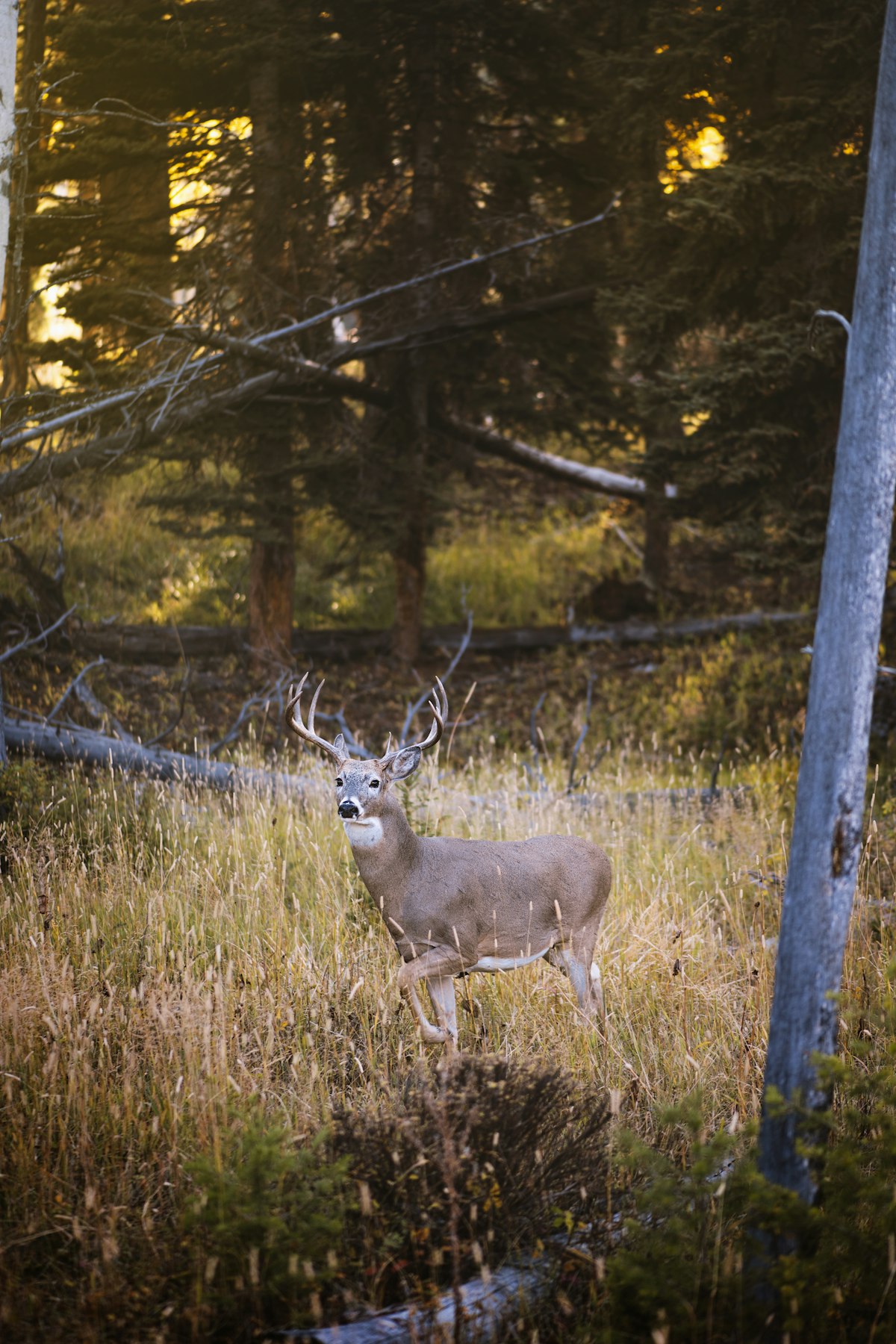
At its best, hunting with a call is a study in patience and observation — exactly the qualities Roosevelt prized in the outdoors. Learn to read the moment, keep your calling honest and sparing, and the woods will occasionally answer. It is a quiet, rewarding craft, and a fitting one to practice in the spirit of the man who made “bully” a compliment.


 When people go off into the woods for family camping trips and hunting excursions, they like leaving a lot of the modern world behind. However, there are some things that no one is willing to sacrifice. Hunting and fishing camps have to accommodate, which can be difficult in the most remote areas where power lines may not be relevant. These campgrounds have to rely on another power source and many choose small off-grid, portable power options.
 It may seem odd that campers enjoy power. After all, its the idea of getting out of the “real world” that appeals to camping and hunting lovers. However, even those most devoted to the idea of it still want some modern conveniences. They want to be able to charge their phone’s GPS, especially when hiking or exploring new areas. They want hot showers during the winter months or after exceptionally long hikes. They enjoy having lights when the campfire’s glow has faded away.
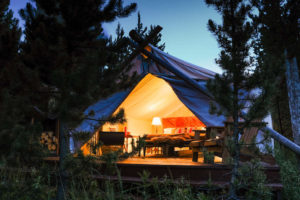 High up in the mountains, deep in the woods, in National Forests, and other areas off the beaten bath, campgrounds are found. The further out in “No Man’s Land” they are, the more people enjoy it. The problem for these campgrounds and hunting lodges, fishing camps, and more is that the nearest power lines may be miles away. How do they keep up with the demands of visitors without sacrificing the “natural” aspect of the camp.
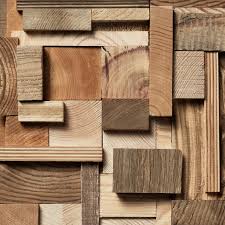 Woodworkers are forever looking for new project ideas. They are willing to tackle all types of fun, beautiful projects and see potential in virtually every scrap piece of wood that they can find. The perfect knot, the most symmetrical grain patterns, and even an imperfect cut can open the gateway of their creative juices. Perhaps it is this mindset that makes custom woodworking such a popular hobby in rural areas. Regardless of the “why”, a woodworker’s dream epoxy project is always just a beat away from becoming a reality.
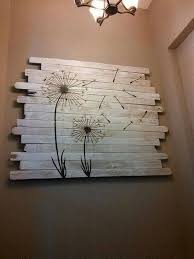 In woodworking, there is no end to the possibilities. Woodworkers create everything from simple jewelry boxes to cedar hutches, and lavish coffee or dining tables. Their creative mind is the pencil and wood is their canvas. They can make wooden rocking chairs that never “bump” or wobble. They carve faces into tree stumps and turn it into a part of their landscaping. Some of their creations involve a lot of detail and creativity. Other creations are simple in design. Both are truly beautiful because of the “natural” beauty that comes from only wooden projects.
 Every wood crafter has a favorite type of project and favorite techniques that they may use to achieve a desired “look”. Some of the most popular things to build from wood include wooden toys, plant boxes or birdhouses, and of course furniture. If a woodworker wants to make money with their creations, they may lean more toward the furniture since some people will pay top dollar for a custom made piece.
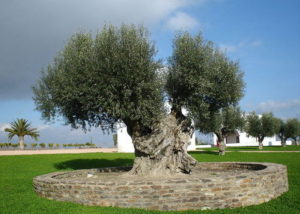 To grow olives, you have to consider what they need the most. Much the same as all other plants and trees, they grow best in certain areas and environments. Olives are more forgiving than most. This means that they can grow in a variety of different areas. However, growing olives up on the mountain may be a little tricky sometimes.
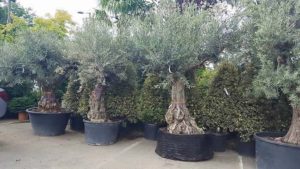 Olive trees generally prefer a dry, well-drained area to thrive in. For this reason, the most perfect area for them is going to be places that do not see a lot of rain. They also prefer areas that have a mild winter, short-lived winter season. However, this can be tricky as well.
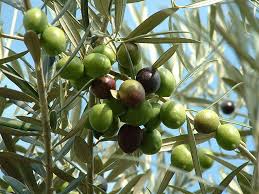 For olive trees, the pH balance has to be right. The soil has to be moderately acidic with a pH that is greater than 5, but less than 8.5. If you ask some growers, 6.5 is ideal. Because of this, you will need to have your soil tested if you want to grow trees.
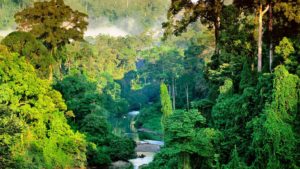 It is said that our Earth is about 70% water and 30% forests and trees. It is true that humans have to get in where they fit in, but each year it seems that we are taking away from our forests more and more. In 2018, it was reported by the WWF that on average we are losing about 18.7 million acres of forests per year. We need to start doing more to keep our forests safer from manmade destruction.
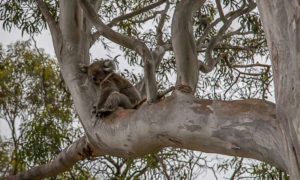 Often, we look at a forest as something that is renewable and therefore can be sacrificed. However, this is not true. We need forests as much as we need water, sun, and moon. The oxygen that we and every living thing needs, stems from the forests. It keeps the soil in place so that we are free to live on Earth without requiring houseboats and cities built on a barge. The animals we love call it our forests home and it is just a continuation of the circle of life that we all depend on.
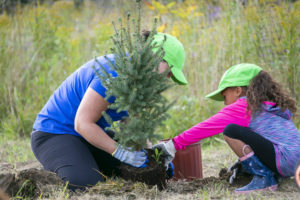 What happens if we lose every tree and every forest? It would be devastating. It wouldn’t happen quickly, but it would be the beginning of the end if all the plants died instantly.